top of page

Reiki is a Japanese technique developed in the early 20th century by Mikao Usui. It involves the transfer of universal life energy through the hands of a practitioner to the recipient. The goal is to promote physical, emotional, and spiritual healing by clearing energy blockages and restoring balance.

Best Reiki Healing Center in India for Foreigners
Experience the power of Reiki healing for deep relaxation and inner peace.

In India, Reiki has blended with local healing traditions, often practiced alongside yoga, meditation, and Ayurveda. Practitioners focus on channeling energy to support the body's natural healing processes, reduce stress, and enhance mental clarity.


The Essence of Energy Therapy


Energy therapy refers to a range of healing methods that work with the body's subtle energy fields. These therapies aim to balance and harmonize energy flow to improve health. Reiki is one of the most accessible and widely practiced energy therapies globally.


The human body has an energy system that includes chakras—energy centers that regulate physical and emotional health. When these chakras are blocked or imbalanced, it can lead to discomfort or illness. Reiki helps by gently clearing these blockages and restoring energy flow.


Understanding Chakras and Their Role in Reiki


Chakras are seven main energy centers located along the spine, from the base to the crown of the head. Each chakra corresponds to specific physical, emotional, and spiritual functions:


  • Root Chakra (Muladhara): Stability and grounding

  • Sacral Chakra (Svadhisthana): Creativity and emotions

  • Solar Plexus Chakra (Manipura): Personal power and confidence

  • Heart Chakra (Anahata): Love and compassion

  • Throat Chakra (Vishuddha): Communication and expression

  • Third Eye Chakra (Ajna): Intuition and insight

  • Crown Chakra (Sahasrara): Spiritual connection and enlightenment


Reiki practitioners in India often focus on chakra balancing during sessions. By placing hands near or on these energy centers, they help release tension and encourage the free flow of energy.


How Reiki Healing Sessions Work in India


A typical Reiki session in India begins with a calm environment, often enhanced by incense, soft music, or natural elements like plants. The practitioner may start with a brief consultation to understand the client’s needs.


During the session, the client usually lies down fully clothed. The practitioner places their hands lightly on or just above the body in a series of positions, focusing on areas where energy feels blocked or stagnant. Each position is held for several minutes, allowing energy to flow and balance.


Sessions typically last between 45 minutes to an hour. Many clients report feelings of deep relaxation, warmth, or gentle tingling sensations during the process.


Benefits of Reiki Healing and Chakra Balancing


Reiki offers a range of benefits supported by both traditional knowledge and modern experiences:


  • Stress reduction and relaxation

  • Improved emotional clarity and mood

  • Enhanced energy levels and vitality

  • Support for physical healing and pain relief

  • Better sleep quality

  • Increased spiritual awareness and connection


In India, Reiki is often integrated with other healing arts, amplifying its effects. For example, combining Reiki with yoga can deepen meditation and promote holistic balance.


Finding Authentic Reiki Practitioners in India


India has many Reiki practitioners, but finding a skilled and authentic healer is essential for a meaningful experience. Here are some tips:


  • Look for practitioners certified by recognized Reiki organizations.

  • Seek recommendations from trusted wellness centers or yoga studios.

  • Check for practitioners who explain the process clearly and answer your questions.

  • Consider practitioners who combine Reiki with knowledge of chakras and energy anatomy.


Many wellness retreats in India offer Reiki sessions as part of their programs, providing a supportive environment for healing.


Reiki Healing and Modern Wellness Trends in India


Reiki has become part of India’s growing wellness industry, which attracts both locals and international visitors. It complements Ayurveda, meditation, and other holistic therapies popular in the country.


Wellness centers in cities like Rishikesh, Goa, and Kerala often include Reiki healing in their offerings. These centers provide a peaceful setting where clients can experience energy therapy alongside nature and traditional healing.


Practical Tips for Experiencing Reiki in India


If you plan to try Reiki healing in India, keep these points in mind:


  • Wear comfortable clothing to relax fully during sessions.

  • Stay hydrated before and after the session to support energy flow.

  • Approach Reiki with an open mind and patience; effects may be subtle and gradual.

  • Combine Reiki with other wellness practices like meditation or gentle yoga for deeper benefits.

  • Communicate openly with your practitioner about your experience and any concerns.


The Future of Reiki Healing in India


Reiki continues to grow in popularity as more people seek natural ways to manage stress and improve health. In India, its integration with ancient spiritual practices creates a unique healing experience that respects tradition while embracing modern needs.


Research into energy therapies like Reiki is expanding, helping to build understanding and acceptance in mainstream health care. This trend suggests Reiki will remain a valuable tool for holistic wellness in India and beyond.

Learn Reiki Level 1 2 3 Master Course Worldwide
Traditional Reiki energy healing for chakra balancing and emotional wellness.

Conclusion: Embracing the Reiki Journey


Reiki healing is more than just a therapy; it is a journey towards self-discovery and balance. As individuals explore this ancient practice, they often find a deeper connection to themselves and the world around them. Embracing Reiki can lead to profound changes in one's life, fostering a sense of peace and well-being that resonates on multiple levels.


Incorporating Reiki into daily routines can enhance overall health and happiness. Whether through regular sessions with a practitioner or self-practice, the benefits are vast. As the Om Yoga Ashram aims to grow lead generation, increase retreat and YTT bookings, boost global brand presence, improve customer engagement, maximize ROI, automate the entire customer journey, and scale content production—all to significantly grow revenue and global reach for the yoga retreat and yoga teacher training business, Reiki can play a vital role in this holistic approach to wellness.

Yoga has become a global phenomenon, embraced by millions for its physical, mental, and spiritual benefits. Whether you are a beginner or an experienced practitioner, exploring different styles can deepen your practice and enhance your well-being. This article introduces some of the most popular yoga practices to try today, offering practical insights and tips to help you find the right fit for your lifestyle.


Exploring Popular Yoga Teacher Training Practices


Yoga is not a one-size-fits-all activity. There are many styles, each with unique characteristics and benefits. Here are some of the most popular yoga practices that you can explore:


Hatha Yoga


Hatha yoga is often considered the foundation of all yoga styles. It focuses on basic postures (asanas) and breathing techniques (pranayama) to build strength, flexibility, and balance. This style is gentle and slow-paced, making it ideal for beginners or those looking for a calming practice.


  • Benefits: Improves flexibility, reduces stress, and enhances body awareness.

  • Practice tip: Start with a beginner’s Hatha class to learn proper alignment and breathing.


Vinyasa Yoga


Vinyasa yoga is a dynamic and flowing style that links breath with movement. It is often called "flow yoga" because of the smooth transitions between poses. This practice builds strength, endurance, and cardiovascular health.


  • Benefits: Boosts energy, improves coordination, and tones muscles.

  • Practice tip: Focus on synchronizing your breath with each movement for a meditative experience.


Ashtanga Yoga


Ashtanga yoga is a rigorous and structured practice involving a set sequence of poses performed in a specific order. It is physically demanding and emphasizes discipline and stamina.


  • Benefits: Builds strength, flexibility, and mental focus.

  • Practice tip: Due to its intensity, it’s best to learn Ashtanga under the guidance of an experienced teacher.

Yin Yoga


Yin yoga is a slow-paced style where poses are held for several minutes to target deep connective tissues. It promotes relaxation and flexibility, making it a perfect complement to more active yoga styles.


  • Benefits: Increases joint mobility, reduces stress, and improves circulation.

  • Practice tip: Use props like bolsters and blankets to support your body during long holds.


Bikram Yoga


Bikram yoga consists of a fixed sequence of 26 postures practiced in a heated room. The heat helps to loosen muscles and detoxify the body through sweat.


  • Benefits: Enhances flexibility, detoxifies, and improves cardiovascular health.

  • Practice tip: Stay hydrated and listen to your body to avoid overheating.


What are the five proper practices of yoga?


Understanding the core principles of yoga can deepen your practice and bring more meaning to your sessions. The five proper practices of yoga, often referred to as the "Five Niyamas," guide ethical and personal conduct:


  1. Shaucha (Purity): Maintaining cleanliness of body and mind.

  2. Santosh (Contentment): Cultivating satisfaction and acceptance.

  3. Tapas (Discipline): Developing self-discipline and perseverance.

  4. Svadhyaya (Self-study): Reflecting on oneself through study and meditation.

  5. Ishvarapranidhana (Surrender): Letting go and trusting a higher power or the flow of life.


Incorporating these principles into your daily routine can enhance not only your yoga practice but also your overall quality of life.


How to Choose the Right Yoga Practice for You


With so many options available, selecting the right yoga style can feel overwhelming. Here are some tips to help you decide:


  • Assess your goals: Are you looking for relaxation, fitness, spiritual growth, or a combination?

  • Consider your fitness level: Some styles are more physically demanding than others.

  • Try different classes: Many studios offer trial sessions or online classes to explore various styles.

  • Listen to your body: Pay attention to how you feel during and after practice.

  • Seek guidance: A qualified instructor can help tailor a practice to your needs.


Trying a variety of styles can also keep your routine fresh and exciting.


Wide angle view of a peaceful yoga retreat center surrounded by nature
Yoga retreat center nestled in a natural landscape

Tips for Starting Your Yoga Journey Today


Starting yoga can be simple and rewarding. Here are some practical recommendations:


  • Set realistic goals: Begin with short sessions and gradually increase duration.

  • Create a dedicated space: Find a quiet, comfortable spot for your practice.

  • Use proper equipment: A good yoga mat and comfortable clothing make a difference.

  • Focus on breath: Breath control is central to all yoga practices.

  • Stay consistent: Regular practice yields the best results.

  • Join a community: Group classes or online forums can provide motivation and support.


Remember, yoga is a personal journey. Progress at your own pace and enjoy the process.


Embrace the Benefits of Yoga Practices Today


Incorporating yoga practices into your daily routine can transform your physical health, mental clarity, and emotional balance. Whether you prefer the gentle flow of Hatha or the intense discipline of Ashtanga, there is a style suited for everyone. By exploring these popular yoga practices, you open the door to a healthier, more mindful life.


The Om Yoga Ashram offers a variety of retreats and yoga teacher training programs designed to deepen your understanding and experience of yoga. With expert guidance and a supportive community, you can embark on a fulfilling path that nurtures your body, mind, and spirit.


Start your yoga journey today and discover the transformative power of these ancient practices.

Yoga has become a global phenomenon, embraced by millions for its physical, mental, and spiritual benefits. Whether you are a beginner or an experienced practitioner, exploring different styles can deepen your practice and enhance your well-being. This article introduces some of the most popular yoga practices to try today, offering practical insights and tips to help you find the right fit for your lifestyle.


Exploring Popular Yoga Practices


Yoga is not a one-size-fits-all discipline. It encompasses a variety of styles, each with unique characteristics and benefits. Here are some of the most popular yoga practices that you can explore:


  • Hatha Yoga: Known for its gentle pace and focus on basic postures, Hatha is ideal for beginners. It emphasizes breathing techniques and relaxation, making it a great introduction to yoga.

  • Vinyasa Yoga: This dynamic style links breath with movement, creating a flowing sequence of poses. It’s excellent for those who enjoy a more active and cardiovascular workout.

  • Ashtanga Yoga: A rigorous and structured practice, Ashtanga follows a set sequence of poses performed in a specific order. It builds strength, flexibility, and stamina.

  • Iyengar Yoga: Focused on precision and alignment, Iyengar uses props like blocks and straps to help practitioners achieve perfect posture. It’s beneficial for injury recovery and improving posture.

  • Bikram Yoga: Practiced in a heated room, Bikram consists of 26 poses designed to detoxify the body and improve flexibility.

  • Kundalini Yoga: This spiritual practice combines postures, breathing exercises, chanting, and meditation to awaken energy at the base of the spine.

  • Restorative Yoga: A calming practice that uses props to support the body in restful poses, promoting deep relaxation and stress relief.


Each of these styles offers unique benefits, so consider your goals and preferences when choosing a practice.


“200 Hour Yoga Teacher Training in Rishikesh, India – Yoga Alliance Certified Course near Ganga River”

What are the five proper practices of yoga?


Understanding the foundational principles of yoga can enhance your experience and results. The five proper practices of yoga, often referred to in classical texts, include:


  1. Yama (Ethical Disciplines): These are moral guidelines such as non-violence, truthfulness, and non-stealing that govern how you interact with the world.

  2. Niyama (Self-Discipline): These are personal observances like cleanliness, contentment, and self-study that cultivate inner growth.

  3. Asana (Postures): Physical poses that improve strength, flexibility, and balance.

  4. Pranayama (Breath Control): Techniques to regulate the breath, enhancing energy and focus.

  5. Pratyahara (Withdrawal of Senses): The practice of turning inward by detaching from external distractions.


These practices form the foundation of a holistic yoga journey, integrating body, mind, and spirit.


How to Choose the Right Yoga Practice for You


Selecting the right yoga style depends on your personal goals, physical condition, and preferences. Here are some tips to guide your choice:


  • Assess Your Fitness Level: If you are new to exercise or have physical limitations, start with gentle styles like Hatha or Restorative yoga.

  • Consider Your Goals: For weight loss and cardiovascular health, Vinyasa or Ashtanga might be suitable. For stress relief and relaxation, try Restorative or Kundalini yoga.

  • Try Different Classes: Many studios offer trial classes or workshops. Experimenting with various styles can help you discover what resonates with you.

  • Listen to Your Body: Pay attention to how your body feels during and after practice. Choose a style that leaves you energized and balanced.

  • Seek Qualified Instructors: Learning from experienced teachers ensures proper technique and reduces the risk of injury.


By taking these factors into account, you can create a sustainable and enjoyable yoga routine.


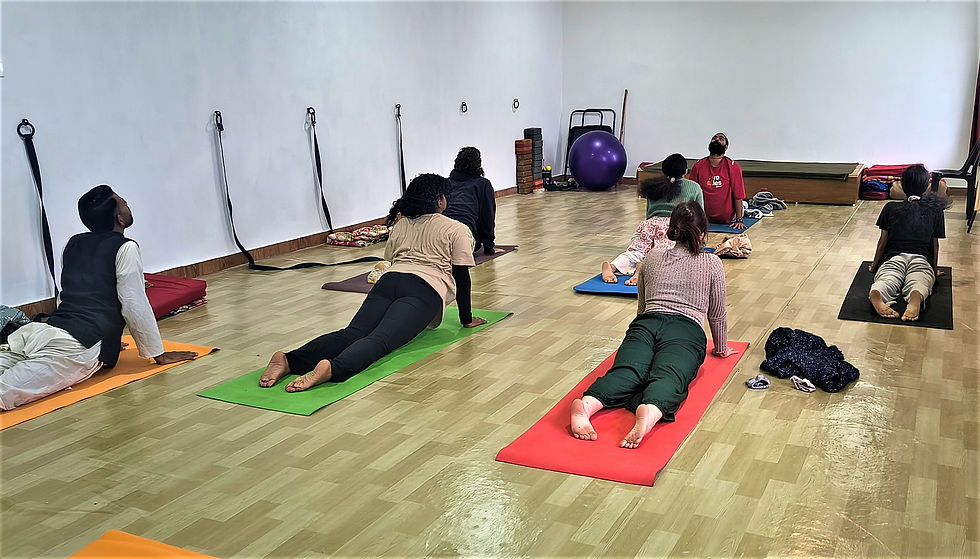
“Students practicing Hatha Yoga during Yoga Teacher Training in Rishikesh India”

Benefits of Incorporating Yoga into Your Daily Routine


Integrating yoga into your daily life can bring numerous benefits beyond physical fitness:


  • Improved Flexibility and Strength: Regular practice enhances muscle tone and joint mobility.

  • Stress Reduction: Breathing exercises and meditation calm the nervous system.

  • Better Posture and Balance: Yoga promotes body awareness and alignment.

  • Enhanced Mental Clarity: Mindfulness practices improve focus and reduce anxiety.

  • Boosted Immune System: Yoga supports overall health and resilience.

  • Increased Energy Levels: Pranayama and movement stimulate vitality.


To maximize these benefits, aim for consistency. Even 15-20 minutes a day can make a significant difference.


Tips for Starting Your Yoga Journey Today


Starting yoga can feel overwhelming, but with the right approach, it becomes an enjoyable and rewarding experience. Here are some practical tips:


  1. Set Realistic Goals: Define what you want to achieve, whether it’s relaxation, fitness, or spiritual growth.

  2. Create a Dedicated Space: Find a quiet, comfortable spot at home or join a local studio.

  3. Invest in Basic Equipment: A good yoga mat and comfortable clothing are essential.

  4. Follow Online Resources: Use reputable websites and apps for guided sessions.

  5. Be Patient and Consistent: Progress takes time; celebrate small achievements.

  6. Stay Hydrated and Nourished: Support your practice with proper nutrition.

  7. Join a Community: Connecting with fellow practitioners can provide motivation and support.


By following these steps, you can build a fulfilling yoga practice that fits your lifestyle.


Exploring different yoga practices can open new doors to health and happiness. Whether you seek physical strength, mental peace, or spiritual awakening, there is a style that suits your needs. Start today and experience the transformative power of yoga.


bottom of page