top of page

In today’s fast-paced world, finding a moment of peace and balance can be challenging. Many people turn to various wellness practices to improve their physical and mental health. One such practice that has gained immense popularity is yoga Benefits . Practicing it daily offers a wide range of benefits that can transform your life. This article explores these benefits in detail and provides practical tips to help you incorporate this ancient discipline into your daily routine and Get Yoga Benefits.


The Wide-Ranging Yoga Benefits for Mind and Body


Daily practice of this discipline can lead to significant improvements in both physical and mental health. Here are some of the key benefits:


  • Improved Flexibility and Strength: Regular practice stretches and tones muscles, increasing flexibility and building strength. This helps reduce the risk of injuries and improves posture.

  • Enhanced Mental Clarity and Focus: The meditative aspects promote mindfulness, helping to clear the mind and improve concentration.

  • Stress Reduction: Deep breathing and relaxation techniques calm the nervous system, reducing stress and anxiety levels.

  • Better Sleep Quality: Many practitioners report improved sleep patterns due to the calming effects on the mind and body.

  • Boosted Immunity: Gentle movements and breathing exercises stimulate the lymphatic system, enhancing immune function.


Incorporating even 15-30 minutes of this practice into your daily schedule can yield noticeable improvements in your overall well-being.


Eye-level view of a serene yoga mat rolled out on a wooden floor
Daily yoga practice setup in a calm room

How to Start Practicing Yoga Daily: Practical Tips


Starting a daily routine might seem daunting, but with the right approach, it can become a rewarding habit. Here are some actionable recommendations: for Yoga Benefits


  1. Set a Consistent Time: Choose a time that fits your schedule, such as early morning or before bedtime, to build consistency.

  2. Create a Dedicated Space: Designate a quiet, comfortable area in your home for practice to minimize distractions.

  3. Begin with Simple Poses: Start with beginner-friendly poses to avoid injury and build confidence.

  4. Use Online Resources or Classes: Guided sessions can provide structure and motivation.

  5. Listen to Your Body: Avoid pushing too hard; focus on gradual progress and comfort.

  6. Incorporate Breathing Exercises: Pranayama techniques enhance relaxation and focus.

  7. Track Your Progress: Keep a journal to note improvements in flexibility, mood, and energy levels.


By following these steps, you can smoothly integrate this practice into your daily life and enjoy its benefits.


Close-up view of a yoga instructor demonstrating a beginner pose on a mat
Yoga instructor guiding a beginner through a pose

What is yoga in 5 lines? and Get Yoga Benefits


  • Yoga is an ancient practice originating from India that combines physical postures, breathing techniques, and meditation.

  • It aims to harmonize the body, mind, and spirit for overall well-being.

  • The practice includes various styles, from gentle stretching to vigorous flows.

  • It promotes flexibility, strength, and mental clarity.

  • Regular practice can lead to improved health, reduced stress, and enhanced self-awareness.


Understanding these basics helps demystify the practice and encourages beginners to explore it with confidence.


The Impact of Daily Practice on Mental Health


One of the most profound benefits of daily practice is its positive effect on mental health. Here’s how it helps:


  • Reduces Anxiety and Depression: The calming breathing techniques and mindfulness reduce symptoms of anxiety and depression.

  • Enhances Emotional Stability: Regular practice fosters a sense of inner peace and emotional resilience.

  • Improves Cognitive Function: Meditation and focus exercises boost memory and decision-making skills.

  • Promotes Mindfulness: Being present in the moment helps reduce negative thought patterns.


For those struggling with mental health challenges, incorporating this practice can be a valuable complementary approach alongside professional care.


High angle view of a peaceful yoga studio with natural light and plants
Calm yoga studio environment promoting mental wellness

Tips for Maintaining Motivation and Overcoming Challenges


Sticking to a daily routine can be difficult. Here are some strategies to help maintain motivation:


  • Set Realistic Goals: Start small and gradually increase the duration and intensity.

  • Join a Community: Practicing with others can provide support and accountability.

  • Mix Up Your Routine: Try different styles or poses to keep things interesting.

  • Celebrate Progress: Acknowledge improvements, no matter how small.

  • Be Patient: Benefits accumulate over time; avoid expecting immediate results.


Remember, consistency is key. Even on busy days, a short session can keep the habit alive.


Embracing a Healthier Lifestyle Through Daily Practice


Beyond the physical and mental benefits, daily practice encourages a holistic approach to health. It often inspires healthier eating habits, better sleep hygiene, and increased mindfulness in daily activities. Many practitioners find themselves more connected to their bodies and more aware of their needs.


By making this practice a part of your daily life, you open the door to a balanced, healthier lifestyle that nurtures both body and mind.


Incorporating yoga into your daily routine is a powerful way to enhance your quality of life. With its numerous benefits and adaptable nature, it suits people of all ages and fitness levels. Start today, and experience the transformation that consistent practice can bring.
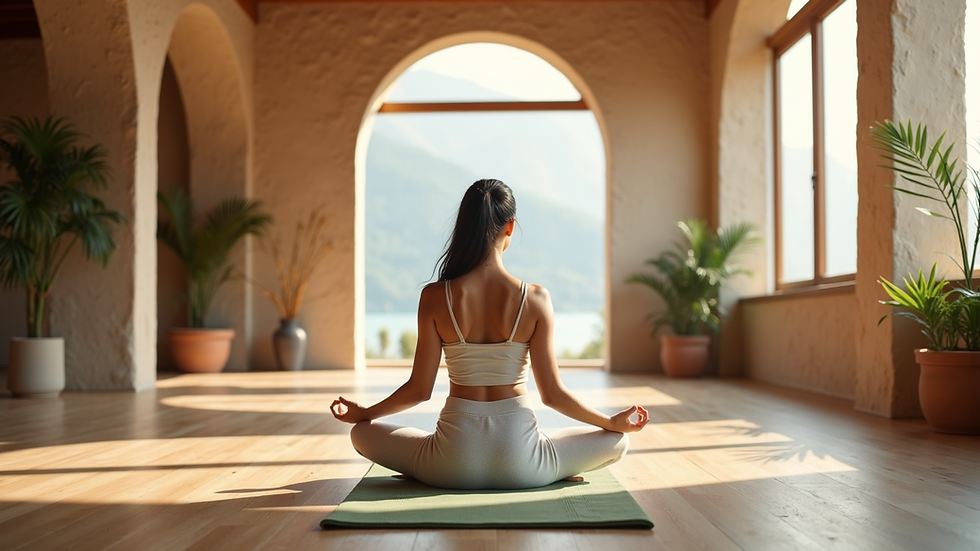
In a world that often feels fast-paced and chaotic, many individuals are searching for ways to live with more intention and purpose. Yoga, traditionally known for its physical practice, offers profound insights that extend far beyond the mat. This blog post explores how to integrate the core principles of yoga into everyday life, fostering mindfulness, balance, and intentional living.


Living with Intention: The Essence of Yoga


Understanding the Yoga Philosophy: Yoga Beyond the Mat


The philosophy of yoga extends beyond physical postures (asanas). At its core, yoga is a holistic practice that includes ethical principles (Yamas and Niyamas), breath control (Pranayama), and meditation. These components work together to create harmony within ourselves and with the world around us. By understanding the philosophy behind yoga, we can cultivate a mindset of presence and intention. Yoga Beyond the Mat by Om Yoga Ashram Dharamshala India.


As you explore yoga, consider the basic ethical principles. For instance, the first Yama, Ahimsa, encourages non-violence in thoughts, words, and actions. By practicing kindness, both towards ourselves and others, we can cultivate a peaceful and harmonious environment.


Eye-level view of a serene yoga studio
A calm space ideal for practicing yoga and mindfulness.

Bringing Mindfulness into Daily Life: Yoga Beyond the Mat


Mindfulness is a key aspect of yoga practice. It involves being fully present in the moment, aware of our thoughts, feelings, and surroundings without judgment. Integrating mindfulness into our daily routines can drastically change our approach to life.


For example, try incorporating mindfulness into mundane tasks. Whether you are eating, walking, or even cleaning, immerse yourself in the experience. Focus on every sensation: the smell of your food, the feeling of your feet on the ground, or the texture of the surface you are cleaning. This practice allows you to experience life more fully and can reduce stress.


Research shows that mindfulness can improve mental health. A study published in the Journal of Happiness Studies found that practicing mindfulness can lead to increased levels of happiness and well-being. Consider setting aside time each day for a mindfulness practice, whether through meditation, mindful eating, or simply a quiet walk in nature.


Wide angle view of a tranquil nature setting
A peaceful natural landscape that invites mindfulness and reflection.

Intention Setting: The Heart of Yoga Practice


Setting intentions is a powerful way to focus your energy. In yoga, practitioners often set intentions at the beginning of their practice. This can range from personal growth, cultivating gratitude, or even seeking calmness in chaos.


How can you apply intention setting off the mat? Start by taking a few moments each morning to articulate your intentions for the day. Write them down in a journal or repeat them to yourself. For example, if you wish to be more patient, remind yourself throughout the day to respond calmly in challenging situations.


Additionally, using reminders can help. Consider placing sticky notes with your intentions on your bathroom mirror, car dashboard, or workspace. This helps to keep your focus and reinforces your commitment to living with intention.


Yoga and the Importance of Balance


In addition to mindfulness and intention setting, balance is crucial in both yoga and life. The physical practice of yoga teaches us to find balance in postures, which translates into balancing responsibilities in our daily lives.


To cultivate balance, prioritize self-care. Make sure to schedule time for activities that nourish your mind and body. This can include yoga practice, reading, or even hobbies that bring you joy. According to the American Psychological Association, maintaining a work-life balance leads to greater productivity and reduced stress levels.


Moreover, ensure that you foster relationships that uplift and support you. Surround yourself with people who share similar values, encouraging each other to grow and balance life’s challenges together.


High angle view of a balanced stone stack
A stack of stones symbolizing balance and harmony in life.

Creating a Community of Support


One of the beauties of practicing yoga is the sense of community it fosters. Connecting with others who share a similar interest in yoga can enhance your journey towards living with intention. Attend local classes or join online groups that focus on yoga, mindfulness, and balanced living.


Building relationships within a community allows for shared experiences and collective growth. Participate in discussions about meaningful living, support others in their journeys, and share insights that inspire you.


Consider volunteering in your community as a way to practice yoga off the mat. Whether through organizing yoga classes for underserved populations or merely supporting a local charity, giving back can enhance your sense of purpose and connection.


The Journey Continues


Living with intention is a continual journey, not a destination. Embrace the ups and downs, learning from each experience. Remember that yoga is not just about physical postures; it’s a mindset shift that can greatly influence how we approach life’s challenges.


Commit to applying the principles of yoga in your everyday actions. The next time life feels rushed, take a moment to breathe. Center yourself, recall your intentions, and reconnect with your values.


By practicing these principles, you are not only enhancing your own life but also contributing to a more mindful and intentional world.


Discovering More about Yoga


To explore more about yoga and its benefits, consider checking out Om Yoga Ashram. This resource offers a wealth of information about yoga practices, philosophy, and much more.


Embrace this journey of integrating yoga into your daily life. Remember, as you cultivate mindfulness, balance, and intention off the mat, you will find deeper meaning and fulfillment in the fast-paced world we live in.


Embracing the Principles of Yoga


As you delve deeper into the practice of yoga, reflect on how these principles can transform your life. Embrace the journey of self-discovery and growth. Each moment spent practicing mindfulness, setting intentions, and fostering balance contributes to a more fulfilling existence.


The Impact of Yoga on Well-Being


Yoga has a profound impact on overall well-being. It encourages a holistic approach to health, integrating mind, body, and spirit. By adopting these practices, you can enhance not only your physical health but also your mental clarity and emotional stability.


Conclusion: A Lifelong Journey


In conclusion, the journey of integrating yoga into daily life is lifelong. It requires patience, commitment, and a willingness to grow. As you navigate this path, remember that every small step counts. Celebrate your progress, and continue to seek ways to embody the principles of yoga in your everyday actions.


By doing so, you will not only enrich your own life but also inspire those around you to live with intention and purpose.

In today’s fast-paced world, finding moments of peace and balance is essential. One practice that has stood the test of time for promoting physical, mental, and emotional well-being is yoga benefits. This ancient discipline offers a holistic approach to health, combining movement, breath control, and mindfulness. Whether you are a beginner or have some experience, understanding the many benefits of this practice can inspire you to incorporate it into your daily routine.


Exploring the Wide-Ranging Yoga Benefits


The benefits of practicing yoga extend far beyond simple exercise. It is a comprehensive system that nurtures the body, mind, and spirit. Here are some of the key advantages:


Physical Health Improvements


Yoga enhances flexibility, strength, and posture. Regular practice helps to:


  • Increase muscle tone and strength through various asanas (poses).

  • Improve joint health by encouraging gentle movement and stretching.

  • Boost cardiovascular health by reducing blood pressure and improving circulation.

  • Enhance respiratory function through controlled breathing techniques.

  • Support weight management by promoting mindful eating and physical activity.


For example, poses like Downward Dog and Warrior II stretch and strengthen multiple muscle groups, improving overall body alignment and reducing the risk of injury.


Mental Clarity and Emotional Balance


Yoga is also a powerful tool for mental health. It helps to:


  • Reduce stress and anxiety by activating the parasympathetic nervous system.

  • Enhance concentration and focus through meditation and breath awareness.

  • Promote emotional stability by encouraging mindfulness and self-awareness.

  • Improve sleep quality by calming the nervous system.


Practicing deep breathing exercises such as Pranayama can calm the mind and reduce feelings of overwhelm, making it easier to handle daily challenges.


Eye-level view of a serene yoga mat and meditation cushion in a quiet room
Yoga mat and meditation cushion in a peaceful setting

What is yoga and its importance?


Yoga is an ancient practice originating from India that combines physical postures, breathing exercises, and meditation. Its importance lies in its holistic approach to health, addressing not just the body but also the mind and spirit. This integration helps practitioners achieve a state of balance and harmony.


The practice encourages self-discipline, patience, and compassion, which are valuable qualities in everyday life. It also fosters a deeper connection with oneself, promoting self-care and personal growth.


Yoga is adaptable to all ages and fitness levels, making it accessible to everyone. Whether you want to improve flexibility, reduce stress, or cultivate mindfulness, yoga offers tools to support your goals.


Close-up of a yoga instructor demonstrating a balancing pose on a wooden floor
Yoga instructor demonstrating balance and focus

Practical Tips to Incorporate Yoga Benefits into Your Life


To fully experience the benefits, consistency and mindful practice are key. Here are some actionable recommendations:


  1. Start with beginner-friendly classes - Look for local studios or online platforms that offer guided sessions.

  2. Set realistic goals - Begin with short sessions (15-20 minutes) and gradually increase duration.

  3. Create a dedicated space - Find a quiet, comfortable area at home for your practice.

  4. Focus on breath - Use breathing techniques to enhance relaxation and concentration.

  5. Listen to your body - Avoid pushing into pain; modify poses as needed.

  6. Combine with healthy habits - Support your practice with balanced nutrition and adequate rest.


By integrating these steps, you can build a sustainable routine that maximizes the positive effects on your health and well-being.


Enhancing Your Practice with Mindfulness and Meditation


Mindfulness and meditation are integral components that amplify the benefits of physical postures. They help cultivate awareness and presence, which can transform your experience.


  • Mindfulness encourages paying attention to sensations, thoughts, and emotions without judgment.

  • Meditation techniques, such as guided visualization or silent sitting, promote mental clarity and emotional calm.


Incorporating even a few minutes of meditation after your physical practice can deepen relaxation and improve mental resilience.


High angle view of a peaceful meditation corner with cushions and soft lighting
Meditation corner designed for calm and focus

Embracing a Lifestyle of Wellness Through Yoga


Beyond the mat, the principles of this practice can inspire a healthier lifestyle. Many practitioners find themselves adopting:


  • Healthier eating habits by becoming more mindful of food choices.

  • Better sleep routines through relaxation techniques.

  • Improved relationships by fostering patience and empathy.

  • Greater self-awareness leading to positive personal growth.


By embracing these lifestyle changes, the benefits of yoga extend into every aspect of life, creating a foundation for long-term wellness.


Incorporating yoga into your daily routine offers a pathway to improved health, mental clarity, and emotional balance. Whether you seek physical fitness, stress relief, or spiritual growth, this practice provides tools to support your journey. Start small, stay consistent, and enjoy the transformative benefits that unfold with time.

bottom of page