top of page

Sound healing has gained attention as a natural way to support mental and physical well-being. Its sound healing power offers a unique approach that goes beyond traditional methods, tapping into the body's response to vibrations and frequencies. This post explores how sound healing Power works, its benefits, and practical ways to incorporate it into daily life for total wellness.

Sound healing meditation with Himalayan singing bowls promoting deep relaxation and holistic wellness at Om Yoga Ashram.
Experience the transformative power of sound healing through the soothing vibrations of Himalayan singing bowls, promoting deep relaxation, emotional balance, and inner harmony.

Understanding Sound Healing Power and Its Mechanisms


Sound healing uses specific tones, rhythms, and vibrations to influence the mind and body. These sounds can come from instruments like singing bowls, tuning forks, gongs, or even the human voice. The core idea is that sound waves interact with the body’s cells and brainwaves, promoting balance and relaxation.


The body naturally resonates with certain frequencies. When exposed to harmonious sounds, it can shift from a stressed or chaotic state to one of calm and coherence. This process is sometimes called entrainment, where the brainwaves align with the rhythm of the sound, leading to changes in mood and physical sensations.


Research shows that sound can affect heart rate, blood pressure, and hormone levels. For example, slow, rhythmic sounds may reduce cortisol, the stress hormone, while stimulating sounds can increase alertness and energy. This biological response underpins the sound healing power that many practitioners and users experience.


Mental Benefits of Sound Healing Power


Sound healing supports mental wellness in several ways:


  • Stress Reduction: Listening to calming sounds lowers anxiety and promotes relaxation. Many people report feeling less overwhelmed after sound sessions.

  • Improved Sleep: Certain frequencies help quiet the mind, making it easier to fall asleep and stay asleep.

  • Enhanced Focus: Sound healing can clear mental clutter, improving concentration and creativity.

  • Emotional Release: Vibrations can help release trapped emotions, leading to a sense of emotional balance.


For example, a study published in the Journal of Evidence-Based Complementary & Alternative Medicine found that participants exposed to Tibetan singing bowls experienced significant reductions in tension, anxiety, and depression.

Practitioner using crystal and Tibetan singing bowls during a therapeutic sound healing session in the Himalayas
Discover how ancient sound healing practices can help reduce stress, improve meditation, enhance mindfulness, and support holistic wellness for the body, mind, and spirit

Physical Benefits of Sound Healing Power


The sound healing power extends to physical health as well:


  • Pain Relief: Vibrations can reduce the perception of pain by distracting the nervous system and promoting relaxation.

  • Improved Circulation: Sound waves stimulate blood flow, which supports healing and energy.

  • Muscle Relaxation: The soothing vibrations help release muscle tension and stiffness.

  • Immune Support: Relaxation from sound healing may boost immune function by lowering stress.


A practical example is the use of tuning forks in physical therapy. Therapists apply specific frequencies to areas of pain or tension, helping patients experience relief and improved mobility.


Common Sound Healing Power Techniques


Several techniques harness the sound healing power effectively:


  • Tibetan Singing Bowls: These metal bowls produce rich, resonant tones that promote deep relaxation.

  • Gong Baths: Immersive sessions where gongs create complex sound waves that wash over the body.

  • Tuning Fork Therapy: Precise frequencies are applied to specific body parts to stimulate healing.

  • Chanting and Mantras: Vocal sounds that create vibrations within the body and mind.

  • Binaural Beats: Audio tracks that use two slightly different frequencies to influence brainwave patterns.


Each method offers unique benefits, and individuals may find some techniques more effective or enjoyable than others.


How to Incorporate Sound Healing into Your Routine


Integrating sound healing into daily life can be simple and rewarding:


  • Start with Guided Sessions: Use apps or online videos that offer sound healing tracks designed for relaxation or focus.

  • Attend Live Sound Baths: Local wellness centers often host group sessions with singing bowls or gongs.

  • Create a Sound Space at Home: Keep instruments like chimes or tuning forks nearby for quick stress relief.

  • Practice Chanting or Humming: These can be done anytime to shift your mood or energy.

  • Combine with Meditation or Yoga: Sound healing enhances mindfulness practices by deepening relaxation.


Consistency matters. Even short daily sessions can build resilience against stress and improve overall wellness.


Scientific Perspectives and Limitations


While many users report positive effects, sound healing is still an emerging field in scientific research. Studies often have small sample sizes or lack control groups. More rigorous research is needed to fully understand how different frequencies affect various health conditions.


Sound healing should not replace medical treatment but can complement it. People with certain conditions, such as epilepsy or severe mental illness, should consult healthcare providers before trying sound therapy.

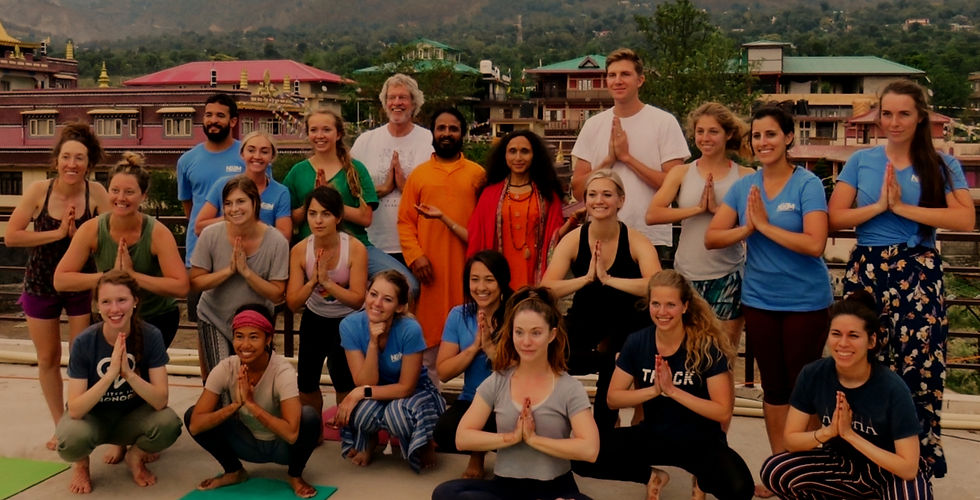
Students experiencing guided meditation and sound therapy for stress relief, emotional balance, and inner peace.
Reconnect with yourself at Om Yoga Ashram through immersive sound healing sessions combined with yoga, meditation, pranayama, and the peaceful energy of the Himalayas.

Real-Life Experiences with Sound Healing Power


Many people share stories of transformation through sound healing. For instance, a woman dealing with chronic anxiety found that weekly gong baths helped her reduce medication and improve sleep quality. Another person used tuning forks alongside physical therapy to recover faster from muscle injuries.


These examples highlight the practical impact of sound healing power when used thoughtfully and consistently.


Final Thoughts on Sound Healing Power for Wellness


Sound healing offers a natural, accessible way to support mental and physical health. Its ability to influence brainwaves, reduce stress, and promote relaxation makes it a valuable tool for total wellness. By exploring different techniques and integrating sound into daily routines, individuals can experience the calming and restorative effects firsthand.

Yoga has been practiced for thousands of years, offering a holistic approach to physical, mental, and emotional well-being. In today’s fast-paced world, incorporating yoga into daily life can be a powerful tool for achieving optimal health and wellness. This article explores the many facets of yoga, its benefits, and practical ways to integrate it into your routine for lasting positive change.


The Transformative Power of Yoga for Health Benefits


Yoga is more than just physical exercise; it is a comprehensive system that nurtures the body, mind, and spirit. The benefits of yoga for health are vast and well-documented. Regular practice can improve flexibility, strength, and balance, while also reducing stress and enhancing mental clarity.


Some key health benefits include:


  • Improved cardiovascular health: Yoga can lower blood pressure and improve circulation.

  • Enhanced respiratory function: Breathing exercises (pranayama) increase lung capacity and oxygen intake.

  • Better digestion: Certain poses stimulate the digestive system and promote detoxification.

  • Pain relief: Yoga helps alleviate chronic pain conditions such as arthritis and back pain.

  • Mental health support: Yoga reduces anxiety, depression, and promotes emotional resilience.


By dedicating even 20-30 minutes a day to yoga, individuals can experience these benefits and cultivate a deeper connection with their bodies.


Yoga practice for health and wellness improving flexibility, mental peace, and overall fitness”
“Embrace a healthier lifestyle through yoga, mindfulness, and holistic well-being.”

What is Health in Yoga?


In yoga philosophy, health is viewed as a state of balance and harmony within the body, mind, and environment. It goes beyond the absence of disease to encompass vitality, mental clarity, and emotional stability. Yoga teaches that true health arises when the flow of energy (prana) is unobstructed and the body’s natural healing mechanisms are supported.


This holistic perspective includes:


  • Physical health: Maintaining strength, flexibility, and proper alignment.

  • Mental health: Cultivating mindfulness, focus, and emotional balance.

  • Spiritual health: Connecting with a sense of purpose and inner peace.


Yoga practices such as asanas (postures), pranayama (breath control), and meditation work synergistically to restore and maintain this balance. The goal is to create a sustainable lifestyle that supports long-term wellness.


Practical Yoga Techniques for Everyday Wellness


Incorporating yoga into your daily routine does not require hours of practice or advanced skills. Here are some practical techniques that anyone can try to enhance their health and wellness:


  1. Morning Sun Salutations (Surya Namaskar): A sequence of flowing postures that energize the body and awaken the mind.

  2. Breath Awareness (Pranayama): Simple breathing exercises like alternate nostril breathing calm the nervous system and reduce stress.

  3. Gentle Stretching: Poses such as Cat-Cow, Child’s Pose, and Downward Dog relieve tension and improve flexibility.

  4. Mindful Meditation: Spending 5-10 minutes focusing on the breath or a mantra can improve concentration and emotional stability.

  5. Restorative Yoga: Using props to support the body in relaxing poses helps reduce fatigue and promotes deep relaxation.


Consistency is key. Even short daily sessions can lead to noticeable improvements in energy levels, mood, and physical health.

Healthy lifestyle through yoga showing mindfulness, balance, and holistic wellness”
Yoga for health and wellness – a natural path to balance, strength, and inner peace.”

How Yoga Supports Mental and Emotional Wellness


Yoga’s impact on mental health is profound. The practice encourages mindfulness, which helps individuals become more aware of their thoughts and emotions without judgment. This awareness fosters emotional regulation and reduces reactivity to stress.


Key mental and emotional benefits include:


  • Reduced anxiety and depression: Yoga lowers cortisol levels and stimulates the production of mood-enhancing neurotransmitters.

  • Improved sleep quality: Relaxation techniques in yoga promote better sleep patterns.

  • Enhanced focus and memory: Meditation and breath control improve cognitive function.

  • Greater emotional resilience: Regular practice builds the ability to cope with life’s challenges calmly.


Integrating yoga into mental health care can complement traditional therapies and provide a natural, accessible way to support emotional well-being.


Choosing the Right Yoga Style for Your Health Goals


There are many styles of yoga, each with unique characteristics suited to different needs and preferences. Understanding these can help you select the best practice for your health goals:


  • Hatha Yoga: A gentle introduction focusing on basic postures and breath control, ideal for beginners.

  • Vinyasa Yoga: A dynamic flow linking breath with movement, great for cardiovascular health and strength.

  • Iyengar Yoga: Emphasizes precise alignment and uses props, beneficial for injury recovery and chronic pain.

  • Restorative Yoga: Focuses on relaxation and healing through supported poses.

  • Ashtanga Yoga: A rigorous, structured practice for building stamina and discipline.


Experimenting with different styles or consulting a qualified instructor can help tailor your yoga journey to your specific wellness objectives.


Embracing Yoga for Health in Your Lifestyle


To fully experience the benefits of yoga, it’s important to integrate it into your lifestyle beyond the mat. Here are some actionable recommendations:


  • Create a dedicated space: Set up a quiet, comfortable area at home for your practice.

  • Set realistic goals: Start with short sessions and gradually increase duration and intensity.

  • Stay consistent: Aim for daily or at least several times a week practice.

  • Combine with healthy habits: Support your yoga practice with balanced nutrition, hydration, and adequate sleep.

  • Join a community: Participating in classes or retreats can provide motivation and deepen your practice.


For those interested in deepening their knowledge and skills, enrolling in a yoga teacher training program or attending a retreat can be transformative. These immersive experiences offer expert guidance and foster a supportive environment for growth.


For more information on how to incorporate yoga for health into your life, explore resources and programs designed to meet diverse needs.


Taking the Next Step Toward Wellness


Yoga is a lifelong journey that offers continuous opportunities for growth and healing. Whether you are seeking physical fitness, mental clarity, or emotional balance, yoga provides tools to support your well-being at every stage.


By embracing yoga as a holistic practice, you can unlock your body’s potential, calm your mind, and nurture your spirit. Start today with simple steps and watch as your health and wellness flourish over time.


The Om Yoga Ashram invites you to explore the transformative power of yoga through retreats, teacher training, and personalized programs designed to elevate your health and wellness journey.

Yoga is more than just a physical exercise; it is a path to self-awareness, balance, and inner peace. If you have been practicing yoga and feel ready to deepen your knowledge or share it with others, enrolling in a Yoga Teacher Training in Dharamshala India program can be a life-changing step. Dharamshala, India, offers an exceptional setting for this journey. Nestled in the Himalayas, this serene town combines natural beauty with rich spiritual traditions, making it an ideal place to transform your practice and become a certified yoga teacher.


“Yoga Teacher Training in Dharamshala India”

Why Choose Yoga Teacher Training in Dharamshala India


Dharamshala stands out as a destination for yoga teacher training for several reasons:


  • Spiritual Environment

Dharamshala is home to the Dalai Lama and a large Tibetan community, which creates a unique atmosphere of mindfulness and compassion. This spiritual energy supports deep meditation and self-reflection, essential components of yoga teacher training.


  • Natural Beauty and Tranquility

Surrounded by pine forests and snow-capped peaks, Dharamshala offers a peaceful environment free from urban distractions. This calm setting helps students focus on their practice and personal growth.


  • Authentic Yoga Tradition

Many training centers in Dharamshala follow traditional yoga teachings rooted in ancient Indian philosophy. This authenticity ensures that students receive a comprehensive education in yoga’s physical, mental, and spiritual aspects.


What to Expect from a Yoga Teacher Training in Dharamshala India


Yoga teacher training programs in Dharamshala typically last 200 hours, which is the standard certification recognized worldwide. Here’s what you can expect during the course:


Comprehensive Curriculum


  • Asana Practice

Daily sessions focus on mastering yoga postures with attention to alignment, breath control, and modifications for different levels.


  • Pranayama and Meditation

Breathing techniques and meditation practices are taught to enhance concentration, reduce stress, and deepen self-awareness.


  • Yoga Philosophy

Students study ancient texts such as the Yoga Sutras of Patanjali and the Bhagavad Gita to understand the ethical and spiritual foundations of yoga.


  • Anatomy and Physiology

Knowledge of the human body helps students teach safely and effectively, preventing injuries.


  • Teaching Methodology

Training includes how to design classes, communicate clearly, and adjust postures for students’ needs.


Daily Routine and Lifestyle


Most programs follow a disciplined daily schedule that balances practice, study, and rest. Mornings often begin with meditation or pranayama, followed by asana classes. Afternoons may include lectures, workshops, and practice teaching sessions. Evenings provide time for reflection or group discussions.


Community and Support


Training in Dharamshala allows you to connect with like-minded individuals from around the world. This supportive community fosters friendships and networking opportunities that last beyond the course.


Choosing the Right Yoga Teacher Training School in Dharamshala


With many options available, selecting the right school is crucial. Consider these factors:


  • Certification and Accreditation

Ensure the program is registered with Yoga Alliance or a similar reputable organization. This guarantees the training meets international standards.


  • Experienced Teachers

Look for schools with qualified instructors who have years of teaching and training experience.


  • Course Content

Review the curriculum to make sure it covers all essential aspects of yoga and aligns with your interests.


  • Accommodation and Facilities

Check if the school offers comfortable lodging, healthy meals, and a peaceful environment conducive to learning.


  • Reviews and Testimonials

Reading feedback from past students can provide insight into the quality of the program.


Preparing for Your Training in Dharamshala


Before you arrive, consider these practical tips:


  • Physical Preparation

Build a consistent yoga practice to prepare your body for intensive training.


  • Mental Readiness

Approach the course with an open mind and willingness to learn and grow.


  • Packing Essentials

Bring comfortable clothing, yoga mats (if not provided), and any personal items you need for meditation or journaling.


  • Health Precautions

Dharamshala’s altitude and climate may require some adjustment. Stay hydrated and consult your doctor if you have health concerns.


Life After Yoga Teacher Training


Completing a yoga teacher training program in Dharamshala opens many doors:


  • Teaching Opportunities

You can lead classes locally or internationally, in studios, gyms, retreats, or online.


  • Personal Growth

The knowledge and discipline gained enrich your own practice and daily life.


  • Further Studies

Many graduates continue with advanced training or specialize in areas like yoga therapy or prenatal yoga.


  • Community Engagement

Join yoga communities and events to stay connected and inspired.


Final Thoughts on Yoga Teacher Training in Dharamshala

Om Yoga Ashram, Dharamshala, Himachal, India. WhatsApp- 9805693514, 9816494732


bottom of page